
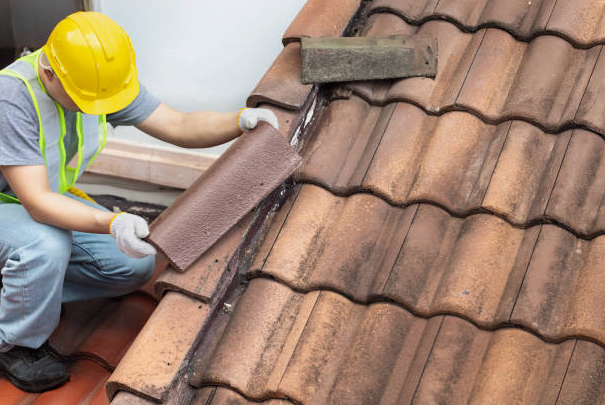
A roof leak is one of the most frustrating problems a homeowner can face. It often starts small, but if ignored, it can quickly lead to serious issues like mold growth, damaged ceilings, rotting wood, and expensive structural repairs. What makes roof leaks especially difficult is that the visible water inside your home is rarely directly below the actual source of the problem.
Water can travel along roof decking, beams, insulation, and walls before it finally appears as a stain or drip. This is why finding the real source of a leak requires a careful and methodical approach.
In this guide, you’ll learn 12 practical and expert-level tips to help you identify, locate, and fix roof leaks before they become major problems. For complex roofing issues, professional support from Triple J Roofing and Restoration LLC ensures safe and long-lasting repairs.
1. Start with an interior inspection first
Before climbing onto your roof, begin your inspection inside the home. Look closely at ceilings and upper walls for signs of water damage such as brown stains, bubbling paint, peeling drywall, or soft spots.
These signs help you narrow down the general area of the leak. Even if the stain looks small, the actual leak point on the roof may be several feet away.
It’s important to document or mark the affected area so you can track it during your roof inspection.
2. Use the Attic to Trace the Leak Path
If your home has an attic, it becomes one of your most valuable tools in locating leaks. Use a flashlight and carefully inspect the underside of the roof.
Look for damp insulation, darkened wood, mold growth, or water trails along rafters. In some cases, you may even see active dripping during or after rainfall.
Pay attention to nails or metal parts that show rust or condensation. These often indicate where moisture is entering the roof system.
3. Focus on Roof Penetrations First
The majority of roof leaks do not come from open roof areas. Instead, they originate at roof penetrations — areas where something passes through the roof surface.
This includes:
- Vents
- Skylights
- Chimneys
- Plumbing pipes
These areas rely on flashing, rubber boots, or seals that naturally wear out over time. Always inspect these first before looking elsewhere.
4. Carefully Inspect Shingles for Damage
Shingles act as the first protective barrier against rainwater. If they are cracked, curled, loose, or missing, water can easily get underneath and travel into the roof structure.
Even a single damaged shingle can create a slow leak that worsens over time. Storm damage, high winds, and aging materials are common causes of shingle failure.
5. Examine Flashing Around Roof Joints
Flashing is the metal material installed around roof joints, edges, and intersections. It prevents water from entering vulnerable areas.
Over time, flashing can rust, loosen, or separate from the roof surface. When this happens, water can easily seep underneath and enter the home.
Flashing problems are one of the most common causes of hidden roof leaks.
6. Pay Special Attention to Roof Valleys
Roof valleys are the areas where two roof slopes meet. These sections carry a large volume of rainwater during storms, making them highly vulnerable to leaks.
If debris such as leaves or branches collects in valleys, it can trap moisture and increase the risk of water penetration. Damaged or poorly sealed shingles in these areas should be repaired immediately.
7. Use a Controlled Water Test to Locate Hidden Leaks
If you cannot find the leak visually, a water hose test can help. This method involves simulating rainfall on different sections of the roof while someone inside monitors for dripping water.
Start from the lower section of the suspected area and slowly move upward. This process requires patience but is very effective in identifying the exact entry point of water.
8. Inspect Vent Boots and Pipe Seals
Plumbing vent pipes that pass through the roof are sealed with rubber boots. These boots are exposed to sunlight and weather conditions, which can cause them to crack or deteriorate over time.
Once damaged, they allow water to enter directly into the roof structure. Replacing worn vent boots is a simple but important repair.
9. Check Chimneys and Masonry Areas
Chimneys are one of the most complex areas of a roof system. They combine brick, mortar, metal flashing, and roofing materials, all of which can fail over time.
Cracked mortar joints or loose flashing around chimneys often lead to persistent leaks. Because of the complexity, chimney-related leaks may require professional repair.
10. Do Not Ignore Small Holes or Nail Gaps
Small holes caused by old installations, nails, or satellite mounts may seem harmless, but they can create long-term water entry points.
Over time, even tiny openings allow moisture to seep in, leading to wood rot and insulation damage. Proper sealing is essential even for minor roof punctures.
11. Keep Gutters Clean and Flowing
Clogged gutters are a major but often overlooked cause of roof leaks. When gutters fill with leaves and debris, water overflows and backs up under the roof edges.
In colder climates, this can also lead to ice dams, which force water under shingles and into the home.
Regular gutter maintenance helps prevent unnecessary roof damage.
12. Know When to Call Roofing Professionals
While many small issues can be handled early, not all leaks are easy to find or repair. Some leaks are hidden deep within roof layers or involve structural damage that requires expert attention.
If the leak continues after basic repairs or you cannot locate the source, it is time to bring in professionals.
Experienced roofing specialists like Triple J Roofing and Restoration LLC can perform a full inspection, identify hidden damage, and provide permanent repair solutions that protect your home long-term.
Final Thoughts
Roof leaks are not something to ignore. What starts as a small stain can quickly turn into major structural damage if left untreated. The key is early detection, careful inspection, and proper repair.
By following these 12 expert tips, homeowners can better understand how roof leaks form and how to address them effectively. However, when in doubt, professional roofing services are always the safest and most reliable solution.
A well-maintained roof not only protects your home but also ensures long-term safety, comfort, and peace of mind.