
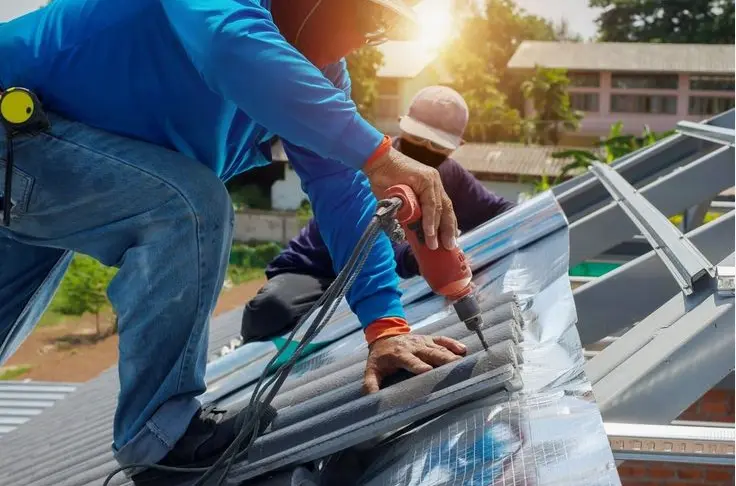
A damaged roof can quickly turn into a serious problem, especially after a storm, heavy rain, hail, or falling tree branches. Water can enter your home within minutes, causing damage to ceilings, walls, insulation, and even your home’s structure. Knowing what to do immediately after roof damage can help minimize repairs and protect your property.
At Triple J Roofing, we understand that roofing emergencies are stressful. Acting quickly and safely can make a significant difference while you wait for professional repairs. This guide explains the steps every homeowner should take during a roofing emergency.
What Is Considered a Roofing Emergency?
Not every roofing issue requires immediate attention, but some situations should be addressed as soon as possible.
Common roofing emergencies include:
- A large roof leak during or after a storm
- Missing or blown-off shingles exposing the roof deck
- A tree branch or fallen tree damaging the roof
- Hail or wind damage causing visible openings
- Sagging areas of the roof
- Water dripping through ceilings
- Flashing that has been torn away by strong winds
- Fire or impact damage to the roof
If your roof has an opening that allows water to enter your home, it should be treated as an emergency.
Step 1: Stay Safe
Your safety should always come first.
Never climb onto your roof during severe weather or immediately after a storm. Wet shingles, high winds, and structural damage can make the roof extremely dangerous.
Instead:
- Stay indoors if possible.
- Keep children and pets away from damaged areas.
- Avoid rooms where ceilings appear to be sagging.
- Turn off electricity if water is leaking near electrical fixtures.
If there is significant structural damage, leave the home and contact emergency services if necessary.
Step 2: Limit Interior Water Damage
If water is entering your home, take steps to reduce additional damage.
You can:
- Place buckets or containers under active leaks.
- Move furniture, electronics, and valuables away from water.
- Use towels or tarps to protect flooring.
- If the ceiling begins to bulge with water, carefully puncture the lowest point using a small tool to release the water into a bucket. This can help prevent a larger ceiling collapse.
These temporary measures can reduce repair costs until professional help arrives.
Step 3: Document the Damage
Before making temporary repairs, take clear photos and videos of the damage if it is safe to do so.
Capture:
- Roof damage visible from the ground
- Missing shingles
- Damaged gutters
- Interior ceiling stains
- Water leaks
- Fallen tree branches or storm debris
This documentation may be helpful if you need to file an insurance claim.
Step 4: Contact a Professional Roofing Contractor
Emergency roof damage should be inspected by an experienced roofing professional as soon as possible.
A qualified contractor can:
- Assess the extent of the damage
- Identify hidden problems
- Perform temporary emergency repairs
- Recommend permanent solutions
- Help prevent additional water intrusion
Prompt repairs often prevent small problems from becoming expensive structural repairs.
Step 5: Contact Your Insurance Company
If your roof was damaged by hail, wind, fallen trees, or another covered event, contact your homeowners insurance provider.
Provide:
- Photos of the damage
- The date of the storm or incident
- A description of what happened
- Any repair estimates you receive
Your insurance company may schedule an adjuster to inspect the property before approving repairs.
Step 6: Avoid DIY Roof Repairs
While it may be tempting to fix the problem yourself, emergency roof repairs can be dangerous.
Without the proper equipment and experience, you could:
- Fall from the roof
- Cause additional damage
- Void roofing warranties
- Miss hidden structural issues
Temporary protection is helpful, but permanent repairs should always be completed by trained roofing professionals.
Common Causes of Emergency Roof Damage
Roof emergencies happen for many reasons, including:
Severe Storms
Strong winds can tear off shingles, while hail may crack roofing materials and expose your roof to water damage.
Fallen Trees and Branches
Heavy branches can puncture roofing materials and create immediate openings for rainwater.
Aging Roofing Materials
Older roofs become weaker over time and are more vulnerable during storms.
Flashing Failure
Damaged flashing around chimneys, vents, and skylights often allows water to enter the home.
Poor Roof Maintenance
Small roofing problems that are ignored can eventually become emergencies.
How to Prevent Roofing Emergencies
Although not every emergency can be prevented, regular maintenance significantly reduces your risk.
Helpful maintenance tips include:
- Schedule annual roof inspections.
- If damage is widespread or your roof has reached the end of its lifespan, a roof replacement may be a more cost-effective long-term solution.
- Clean gutters regularly.
- Trim tree branches hanging over your roof.
- Check flashing around roof penetrations.
- Address small leaks before they become major problems.
Preventive maintenance extends the life of your roof and helps avoid unexpected repair costs.
Why Fast Emergency Roof Repairs Matter
Waiting too long to repair roof damage can lead to:
- Mold and mildew growth
- Rotting roof decking
- Damaged insulation
- Interior drywall repairs
- Electrical hazards
- Structural deterioration
The sooner repairs begin, the more likely you are to avoid costly secondary damage.
Why Homeowners Trust Triple J Roofing
When roofing emergencies happen, you need a contractor you can depend on. Triple J Roofing provides prompt, professional roofing services designed to protect your home and restore your peace of mind.
Our experienced team carefully inspects every roof, explains your repair options, and delivers quality workmanship using reliable materials. Whether your roof has been damaged by a storm, high winds, hail, or unexpected impacts, we’re committed to helping homeowners restore their roofs safely and efficiently.
Final Thoughts
A roofing emergency can happen without warning, but knowing what to do first can make all the difference. Prioritize safety, protect your home’s interior, document the damage, and contact a trusted roofing professional as soon as possible.
Quick action can reduce repair costs, prevent further damage, and help restore your home faster. If you’re dealing with unexpected roof damage, Triple J Roofing is ready to provide the professional assistance you need to get your roof back in excellent condition.
Frequently Asked Questions
What qualifies as an emergency roof repair?
Emergency roof repairs involve damage that exposes your home to water intrusion or creates a safety hazard, such as storm damage, fallen trees, large leaks, or missing roofing materials.
Should I cover my roof with a tarp?
If it can be done safely and without climbing onto a dangerous roof, a temporary tarp may help reduce water damage. However, permanent repairs should always be completed by a professional roofing contractor.
How quickly should emergency roof repairs be completed?
Emergency roof damage should be inspected as soon as possible. Prompt repairs help prevent water damage, mold growth, and structural issues.
Will homeowners insurance cover emergency roof repairs?
Many insurance policies cover roof damage caused by covered events such as wind, hail, or fallen trees. Coverage depends on your policy and the cause of the damage, so it’s important to contact your insurance provider promptly.