
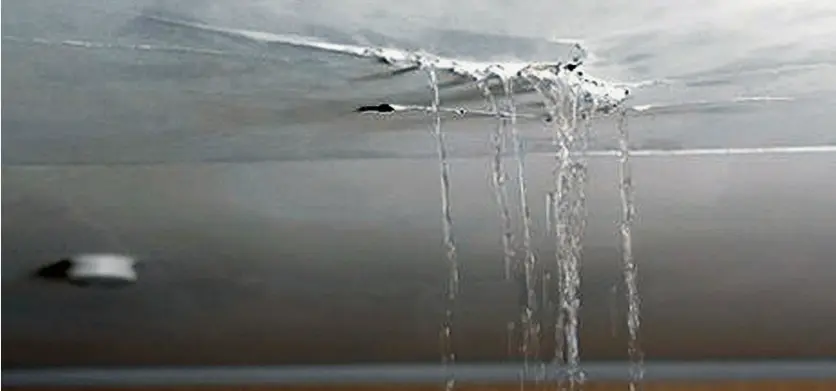
A roof leak is a problem that can be stressful to any homeowner. When the water drips in the house, it can cause stress and uncertainty about what to do next. Fortunately, not all roof leaks are an indication that the roof needs complete replacement. In a lot of instances, the issue can be resolved with simple and focused repairs, which will save money and time. This guide explains when you can repair a leaking roof, when you can’t, and what you can do as a homeowner to make a smart decision. Keep up to date and ready.
Situations where Roof Leaks Can Be Repaired Without a Full Replacement
Many homes will not need the entire roof to be replaced when it leaks. If the damage is not too severe and the structure is sturdy, repairs can be a quick solution that won’t cause any additional significant damage.
Read more:
- Small shingle damage
One of the top causes of roof leaks is shingle damage. If a few shingles crack, curl, or fall off the roof, it will still work fine. Replacing just the damaged shingles prevents roof leaks in most circumstances and prevents the unwanted expense of a whole roof replacement for homeowners.
- Ventilated or storm damaged
Leaks in roofs are a common occurrence, especially after heavy weather, with wind or storm impact. Water can easily enter through small gaps in the house where shingles can be lifted by strong winds. Typically, it is sufficient to repair the damaged area. Complete replacement is not required if the damage is minimal and it can be fixed professionally in a timely fashion.
- Localized roof leaks
Roof leaks that are localized typically occur in just one spot on the roof. The source of these leaks can be easily identified and fixed since they are on a clear surface. Water intrusion can be prevented by repairing just the damaged area. Repairs will be sufficient in one area to put an end to all further leakage problems.
- Torn flashing around chimney
A common problem that causes roof leaks is damaged flashing around chimneys. The sealant layer of metal used to close the joints and keep out water is known as flashing. When it becomes loose or rusted, water can seep inside. Fixing or replacing flashing is a targeted repair, where there is no need for replacement.
- Skylight seal issues
Leaks in the roof seal are typically slow, undetected leaks that are caused by issues with the skylight. Over time, rubber seals around skylights can crack or weaken. This will allow water in during the rainy season. The problem can be fixed by resealing or repairing the skylight area, rather than replacing the entire roof structure, which is an effective solution.
- Overflows in gutters from leaks
During heavy rains, roof leaks can occur because of overflows in the gutter. The backup of water in gutters leads to the water seeping into the edges of the roof. The problem is usually resolved by cleaning or fixing the gutters. This is an easy solution that will stop roof leaks and will avoid having to replace the roof or do extensive structural repairs.
- Minor roof punctures
In areas where branches fall, debris or accidental damage can result in minor punctures in the roof. The holes are small enough to let water in, but are often a relatively simple repair. The puncture can be patched or sealed up to stop the loss of fluid. These repairs will help avoid bigger problems and ensure the roof continues to function effectively for years.
- Aging but stable roof structure
Not every time that a roof structure ages will it require a complete replacement. A good number of roofs that are older will have small leaks, but are structurally sound. If timely repairs are done, the life can be extended. This will help to maintain the roof’s reliability and prevent serious damage as well as unnecessary replacement costs.
- Early detected moisture spots
Moisture spots on the roof are a negative indicator that the roof is leaking. The spots are generally displayed on ceilings or walls before any serious damage takes place. It’s easier to correct the problem at this stage. Repair can eliminate the source of the leak and avert long-term structural damage.
Conclusion
Not all leaks in the roof mean that it needs a full replacement. There are lots of problems that are small and can be solved with the correct approach. The first line of defense for money-saving and keeping major damage to a bare minimum is early detection. Most roof problems can be resolved without having to replace the entire roof—from shingles to flashing. A good inspection can help determine the solution. This will save you money on your own home repair and will save your property from damage if you act promptly.
FAQs
How long does the typical roof repair usually take?
For most of the roof repair services that are minor, it can be done within a couple of hours or the same day service.
Is it true that roof leaks always start from visible areas?
Typically, no leaks begin in places where the flashing joints are not leaking and under damaged shingle layers.
Are small roof leaks a problem that needs professional inspection?
Yes inspection will identify the cause of damage and reduce the risk of recurrence of the hidden damage inside the structure.