
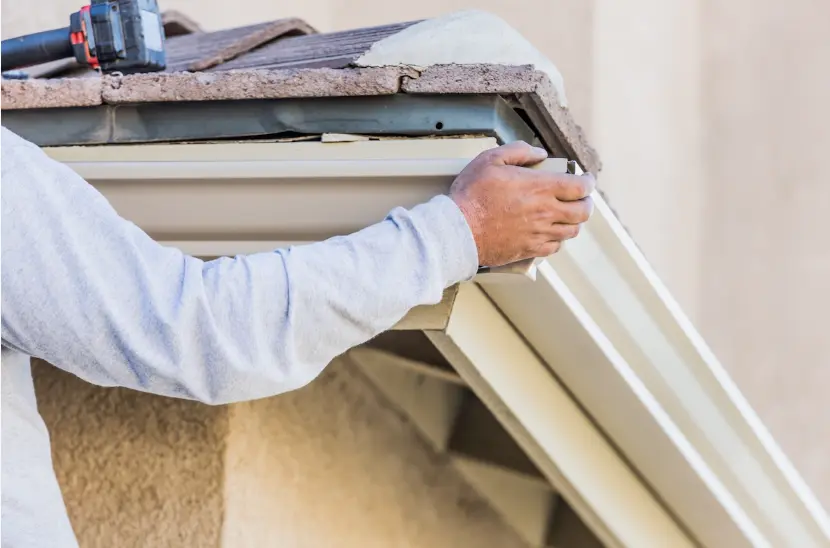
Replacing your home’s siding is an important exterior improvement that can update its appearance, address damaged materials, and help protect the walls from moisture and weather exposure. However, the total cost depends on the size of the exterior walls, the siding material you choose, the condition of the existing siding, and the work required for installation.
In Georgia, homeowners can use approximately $8,000 to $20,000 or more as an initial budgeting range for many full siding replacement projects. Smaller projects may cost less, while larger homes, premium materials, and extensive repairs can push the total significantly higher. For context, Angi’s 2026 Atlanta cost data reports an average siding replacement cost of about $12,033, with many projects falling between $7,775 and $16,359. Actual prices vary by location and project scope.
For homeowners in Macon, Warner Robins, Perry, and other parts of Central Georgia, choosing the right siding also means considering heat, humidity, heavy rainfall, and seasonal storms.
This guide explains siding replacement costs, compares common materials, and outlines the factors to review before hiring a siding contractor.
Average Siding Replacement Cost in Georgia
Siding replacement prices vary depending on the material, the amount of exterior wall area, and whether the project includes removing the old siding and repairing the underlying walls.
The following figures provide general planning estimates for common residential siding materials. They are not guaranteed statewide prices or quotes for a specific property.
| Siding material | Approximate installed cost per sq. ft. |
|---|---|
| Vinyl siding | $4.50–$12 |
| Fiber cement siding | $5–$13.50 |
| Wood siding | $5–$13 |
| Metal siding | $4–$10 |
| Stucco | $6–$9 |
| Brick veneer | $6.50–$14 |
These broad ranges reflect published Atlanta-area estimates and may include different installation scopes. Removal, wall repairs, trim, insulation, and other components may be priced separately.
Vinyl siding is often considered by homeowners looking for a lower initial investment. Fiber cement and wood siding may offer different appearance and performance characteristics, but their installation and maintenance requirements differ.
The best choice depends on your budget, the style of your home, and the conditions the exterior must withstand.
How Much Does It Cost to Replace Siding on Different-Sized Homes?
The amount of exterior wall area being covered is one of the biggest factors affecting the price. A larger home generally requires more siding, but floor area alone does not determine the project’s cost.
A two-story home may have a different wall area from a single-story home with the same interior square footage. Rooflines, gables, attached garages, windows, and architectural details also affect the amount of siding required.
Here are illustrative project budgets using a broad installed-cost range of $4–$12 per square foot of siding area.
| Approximate siding area | Estimated project cost |
|---|---|
| 800 sq. ft. | $3,200–$9,600 |
| 1,200 sq. ft. | $4,800–$14,400 |
| 1,600 sq. ft. | $6,400–$19,200 |
| 2,000 sq. ft. | $8,000–$24,000 |
| 2,500 sq. ft. | $10,000–$30,000 |
These figures are mathematical planning estimates, not verified prices for homes of the same interior size. They assume the listed square footage represents siding coverage and may not account for every additional project expense.
For an accurate estimate, a contractor should measure the exterior walls, account for windows and doors, and determine how much preparation and removal work is necessary.
What Factors Affect Siding Replacement Costs?
Several factors determine how much you will pay to replace your home’s siding. Understanding these expenses can help you compare estimates and plan your budget.
1. Type of Siding Material
The material you select affects the initial cost, installation requirements, appearance, and maintenance needs of your home.
Vinyl siding: Vinyl is a popular residential option because it is available in many colors and styles and generally requires relatively little routine maintenance. However, the quality of the product, panel design, and installation details can affect the price.
Fiber cement siding: Fiber cement offers a different appearance and is available in several profiles. It requires proper handling, cutting, fastening, and finishing, which can affect labor costs.
Wood siding: Wood provides a traditional appearance but may require periodic painting or staining and attention to moisture-related damage.
Metal siding: Metal siding may suit certain modern or functional designs. Costs vary according to the metal, panel system, finish, and installation method.
Stucco and brick veneer: These options have different installation requirements from conventional siding panels. They may involve specialized labor, additional preparation, or other wall-system components.
When comparing materials, consider both the initial installation price and the maintenance the product may require over time.
2. Removal of Existing Siding
If your project involves replacing existing siding, the contractor may need to remove the old material before installing the new system.
Removal costs depend on the type of siding, how it was installed, the number of layers, and how easily the exterior walls can be accessed.
The estimate should clarify whether it includes:
- Removal of existing siding
- Disposal and cleanup
- Inspection of the exposed wall surface
- Removal of damaged or deteriorated materials
- Preparation for the new siding
Older siding can sometimes contain asbestos, depending on its material and age. If asbestos is suspected, do not cut, break, or remove the material yourself. Arrange appropriate professional assessment and follow applicable handling and disposal requirements.
3. Wall Damage and Repairs
One of the most important cost considerations is the condition of the wall beneath the existing siding.
Once old siding is removed, the contractor may discover damaged sheathing, deteriorated wood, or evidence of moisture intrusion. These issues may require repair before the new siding can be installed.
Possible additional work includes:
- Replacing damaged wall sheathing
- Repairing rotted trim or framing
- Addressing moisture entry points
- Installing or repairing a weather-resistive barrier
- Updating flashing around windows and doors
- Replacing damaged exterior trim
Not every siding replacement project requires these repairs. However, it is important to understand how unexpected damage will be documented and priced if it is discovered during installation.
4. Size and Design of the Home
Homes with larger exterior wall areas generally require more material and labor. However, architectural complexity can also influence the total cost.
Multiple stories, steep gables, decorative trim, bay windows, dormers, and complex wall transitions can require additional cutting, finishing, equipment, and installation time.
A simple rectangular home may be easier to side than a property with many exterior corners and detailed architectural features.
5. Labor and Installation Complexity
Labor costs depend on the siding material, the installation method, the condition of the walls, and the difficulty of accessing the work areas.
Some siding products require specialized installation techniques or additional finishing. Working on upper stories or around complicated architectural details can also increase labor requirements.
Ask the contractor whether the estimate includes installation, surface preparation, trim work, flashing, cleanup, and equipment needed to access elevated areas.
6. House Wrap, Flashing, and Other Components
Siding is only one part of the exterior wall system. Other components help manage moisture and protect vulnerable areas.
Depending on the home’s existing construction and the selected siding system, a replacement project may involve:
- Weather-resistive barriers or house wrap
- Flashing around windows and doors
- Corner trim and finishing pieces
- Sealants and appropriate fasteners
- Exterior insulation, if included in the project
- Soffit and fascia repairs, if needed
These components should be considered when comparing quotes. Two estimates may have different prices because one includes more of the materials and preparation needed to complete the job.
Vinyl Siding vs. Fiber Cement: Which Is Better for Georgia Homes?
Vinyl and fiber cement are two options homeowners may consider when planning siding replacement. Neither is automatically the best choice for every property.
| Feature | Vinyl siding | Fiber cement siding |
|---|---|---|
| Initial cost | Generally lower | Generally higher |
| Appearance | Multiple colors and profiles | Multiple profiles and finishes |
| Maintenance | Usually limited routine maintenance | Maintenance depends on product and finish |
| Moisture considerations | Correct installation and drainage are important | Correct installation, sealing, and detailing are important |
| Installation | Relatively lightweight panels | Heavier material with specific handling requirements |
| Best choice depends on | Budget, style, and product quality | Budget, desired appearance, and product specifications |
When Vinyl Siding May Be a Good Option
Vinyl siding may suit homeowners who want a range of styles without committing to frequent exterior painting. Product quality and proper installation matter, particularly in areas that experience high temperatures and direct sunlight.
When Fiber Cement May Be Worth Considering
Fiber cement may appeal to homeowners who prefer its appearance or want an alternative to vinyl. It generally requires careful handling and installation, and some products require periodic painting or finish maintenance.
Georgia’s hot summers and humid conditions make proper wall preparation, flashing, drainage, and installation important regardless of the siding material.
Before making a decision, request estimates for the materials you are considering and compare their full installed costs.
How Georgia’s Climate Affects Siding Selection
Georgia experiences hot summers, humidity, rainfall, and seasonal storms. These conditions can influence siding maintenance and the importance of proper exterior installation.
Heat and Sun Exposure
Prolonged sun exposure can affect the appearance of some siding products. Depending on the material and product quality, homeowners may notice fading, discoloration, or other changes over time.
Ask about the manufacturer’s guidance for color selection, temperature exposure, and product care.
Humidity and Moisture
High humidity makes moisture management an important consideration for exterior walls. Poorly detailed joints, damaged flashing, or water entry behind siding can contribute to deterioration.
New siding should not simply cover an unresolved moisture problem. If the existing walls show signs of water intrusion or rot, identify and address the cause before installing replacement materials.
Heavy Rain and Storms
Heavy rainfall and strong winds can expose weaknesses around siding joints, windows, doors, and other exterior transitions.
Correct installation, suitable flashing, and proper drainage help manage water around the exterior walls. After significant storm damage, inspect the property from a safe location and arrange a professional assessment if damage is suspected.
What Are the Signs Your Home Needs New Siding?
Some siding problems can be repaired without replacing the entire exterior. Other conditions may indicate that a more extensive project is worth considering.
Look for these warning signs:
- Cracked, loose, or missing siding panels
- Warping or bulging along exterior walls
- Peeling paint or deteriorated wood siding
- Visible gaps around joints, windows, or doors
- Signs of moisture damage or rotting beneath the siding
- Repeated problems affecting multiple sections of the home
- Widespread fading or deterioration that affects the exterior’s appearance
The condition of the underlying wall matters as much as the visible siding. If you notice persistent moisture or structural deterioration, have the affected area assessed before deciding on replacement.
A professional inspection can help determine whether targeted repairs are sufficient or whether replacing a larger section would be more practical.
Siding Repair vs. Replacement: Which Is More Affordable?
The most appropriate option depends on how much siding is damaged and whether the underlying wall remains in good condition.
Siding Repair May Be Suitable When:
- Damage is limited to a small section.
- A few panels or boards need replacement.
- The surrounding siding is in good condition.
- The cause of the damage can be corrected.
- Matching replacement materials are available.
Siding Replacement May Be Worth Considering When:
- Damage affects a large portion of the exterior.
- Multiple areas show signs of deterioration.
- Moisture has damaged the underlying wall.
- The existing siding has recurring problems.
- You want to change the exterior material or appearance.
Replacing only the damaged section can cost less initially, but it is important to check the condition of the surrounding siding and wall. Full replacement is not necessary for every isolated problem.
Ask a siding contractor to explain the condition of the existing materials and provide repair and replacement options when both are appropriate.
How to Budget for Siding Replacement
Planning the project in advance can help you understand the total expense and reduce surprises.
1. Measure the Exterior Wall Area
Start with an estimate of the wall surfaces that need siding. A contractor can measure the exterior and account for openings, corners, gables, and other design details.
2. Compare Material Options
Ask for prices on the siding materials you are considering. Review appearance, maintenance requirements, installation details, and product specifications alongside the initial cost.
3. Request a Written Estimate
A detailed quote should identify the materials, labor, removal, disposal, preparation, flashing, trim, and cleanup included in the project.
4. Ask About Hidden Repairs
Find out how additional work will be handled if the contractor discovers damaged sheathing or other concealed problems after removing the existing siding.
5. Plan for Additional Expenses
Depending on your home, the project may require trim replacement, moisture-related repairs, insulation work, or special access equipment. Ask the contractor to identify likely additional costs during the initial assessment.
6. Review Warranty Information
Check the manufacturer’s product warranty and ask about any installation or workmanship warranty. Understand what is covered, what is excluded, and whether maintenance requirements apply.
How to Choose a Siding Contractor in Georgia
Choosing a contractor involves more than comparing the final prices. The estimate should clearly explain how the siding will be installed and what work is included.
Before hiring a contractor, consider the following:
- Check relevant experience with your chosen siding material.
- Verify applicable licensing and insurance requirements.
- Request a written scope of work.
- Confirm how existing siding will be removed and disposed of.
- Ask how wall damage and additional repairs will be handled.
- Review product specifications and warranty terms.
- Confirm the expected schedule and cleanup arrangements.
- Review references and customer feedback where available.
Be cautious about unusually low estimates that omit important preparation or installation details. Comparing complete proposals can help you understand the differences between contractors and make an informed decision.
Siding Replacement Services in Central Georgia
For homeowners in Macon, Warner Robins, Perry, Byron, Milledgeville, and surrounding Central Georgia communities, siding replacement can be an opportunity to address exterior deterioration and update the appearance of a home.
Triple J Roofing and Restoration LLC provides exterior services in its service area. Homeowners considering a siding project can visit Triple J Roofing and Restoration to learn more about the company’s services and inquire about their property.
Before scheduling a project, arrange an assessment of the existing siding and underlying walls. A clear estimate should identify the materials, installation work, preparation, and any repairs needed to complete the project.
Frequently Asked Questions About Siding Replacement Cost
How much does siding replacement cost in Georgia?
Siding replacement can cost approximately $8,000–$20,000 or more for many full-home projects, depending on the exterior wall area, material, labor, and repair requirements. Published Atlanta-area estimates show a wide range of project costs. The best way to determine the price for your property is to request a measured estimate.
How much does vinyl siding replacement cost?
Vinyl siding prices vary with product quality, wall area, installation requirements, and whether old siding must be removed. Published Atlanta-area estimates place many vinyl siding projects within a broad range, with premium products and complex installations costing more. Request a quote that includes removal, trim, and other necessary components.
Is fiber cement siding more expensive than vinyl?
Fiber cement siding generally costs more to install than basic vinyl siding. Its total price depends on the product, exterior wall area, labor, trim, preparation, and finishing requirements. Compare full installed estimates rather than material prices alone.
Does siding replacement include removing old siding?
Some contractors include removal and disposal in the quoted price, while others list them separately. Always confirm whether the estimate covers the existing siding, disposal, preparation, and installation of the replacement material.
Does new siding help protect a home from moisture?
Properly selected and installed siding forms part of a home’s exterior protection system. Flashing, weather-resistive barriers, drainage, and correct installation details are also important. Siding alone cannot resolve existing leaks or moisture problems inside the wall.
How long does siding replacement take?
The project timeline depends on the home’s size, siding material, weather, accessibility, and the amount of preparation or repair required. A straightforward project may take several working days, while larger homes or projects involving hidden damage can take longer. Ask your contractor for a schedule based on your property.
Is a permit required for siding replacement in Georgia?
Permit requirements depend on the local jurisdiction and the type of work involved. Routine siding replacement may be treated differently from work that changes the building’s structure or involves other alterations. Confirm the requirements with your local building department before work begins.
When is the best time to replace siding in Georgia?
Siding replacement can be scheduled throughout much of the year, depending on weather conditions, the product’s installation requirements, and contractor availability. Plan around heavy rain and extreme temperatures where these conditions affect installation or finishing.
Get a Siding Replacement Estimate
The cost of replacing siding depends on the material you choose, the amount of exterior wall area, and the condition of your home’s existing walls. Understanding these factors can help you compare materials, plan your budget, and ask the right questions before starting the project.
If your home’s siding is cracked, warped, deteriorating, or showing signs of moisture damage, consider arranging a professional assessment. Visit Triple J Roofing and Restoration LLC to explore its services and inquire about siding work in its service area.
A detailed written estimate can help you understand the expected cost and determine which replacement option makes sense for your home.