
A small roof leak may not seem like an urgent problem. You might notice a faint water stain on the ceiling, a few damp spots in the attic, or a drip that only appears during heavy rain. However, even a minor leak can allow water to enter areas you cannot see and gradually cause more serious damage.
The good news is that many roof leaks can be prevented or caught early with regular maintenance and inspections. Taking care of small roofing problems before they spread can help protect your home from water damage, mold growth, damaged insulation, and costly repairs.
Here are some practical ways to help prevent roof leaks before they become major problems.
1. Schedule Regular Roof Inspections
One of the simplest ways to catch roofing problems early is to have your roof inspected regularly. A professional inspection can identify issues that may not be obvious from the ground.
An inspection can look for:
- Damaged, cracked, or missing shingles
- Loose or exposed flashing
- Damaged pipe boots and roof vents
- Areas where water may collect
- Deteriorated sealants
- Signs of previous leaks
- Sagging or damaged roofing materials
You should also consider having your roof inspected after a major storm, especially if your area has experienced strong winds, hail, or heavy rainfall.
2. Replace Damaged or Missing Shingles
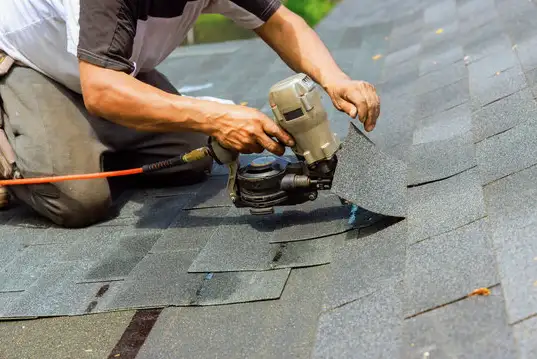
Roof shingles provide one of your home’s main defenses against rain and moisture. When shingles become cracked, curled, loose, or missing, water can reach the layers underneath.
A few damaged shingles may seem like a minor issue, but leaving them unrepaired can allow moisture to penetrate the roof deck. Over time, this can lead to wood deterioration and interior water damage.
If you notice damaged shingles, have them evaluated and repaired as soon as possible.
3. Keep Your Gutters and Downspouts Clear
Your gutters play an important role in directing rainwater away from your roof and foundation. When gutters become clogged with leaves, branches, and other debris, water may back up against the roof.
Standing or backed-up water can eventually find its way beneath roofing materials and cause leaks.
Clean your gutters regularly and make sure downspouts are directing water away from your home. After heavy storms, check the gutters for debris and make sure water can flow freely.
4. Check Your Roof Flashing
Flashing is installed around areas where the roof meets another surface or where openings are made in the roof. Common locations include chimneys, vents, skylights, and roof valleys.
Because these areas are particularly vulnerable to water intrusion, damaged or loose flashing can become a common source of leaks.
During a roof inspection, flashing should be checked for gaps, corrosion, loose sections, or deteriorated sealants. Repairing flashing problems early can help prevent water from getting underneath the roofing system.
5. Trim Tree Branches Near the Roof
Trees can add shade and beauty to your property, but branches that extend over your roof can create roofing problems.
During storms, branches can scrape against shingles or fall onto the roof, causing physical damage. Trees can also drop leaves and debris that collect in gutters and roof valleys.
Keep branches trimmed away from the roof when possible. Removing weak or dead branches can also reduce the risk of storm-related roof damage.
6. Watch for Signs of Water Damage Inside Your Home
You do not always have to see water dripping from the ceiling to know that your roof may have a leak.
Pay attention to signs such as:
- Brown or yellow ceiling stains
- Damp walls or ceilings
- Peeling paint
- Bubbling drywall
- Musty odors
- Damp insulation
- Moisture in the attic
- Visible mold growth
These signs can indicate that water is entering somewhere above the affected area. Because water can travel along roofing materials, rafters, and other surfaces, the visible stain may not be directly below the source of the leak.
7. Inspect Your Attic
Your attic can provide useful clues about the condition of your roof. After rainfall, look for damp insulation, water stains, mold, or signs of moisture around roof penetrations.
You should also check whether the attic has adequate ventilation. Excess moisture and poor airflow can contribute to problems that affect the roof structure over time.
If you notice moisture or signs of water intrusion in your attic, have the area inspected rather than assuming the problem will disappear on its own.
8. Do Not Ignore Small Roof Repairs
One of the biggest mistakes homeowners can make is waiting until a small roofing problem becomes an obvious leak.
A loose shingle, damaged flashing section, or deteriorated seal may not cause immediate interior damage. But repeated exposure to rain can allow the problem to grow.
Addressing small issues early can often prevent more extensive damage to the roof deck, insulation, drywall, and other parts of the home.
9. Check Your Roof After Severe Weather
Heavy rain, strong winds, and hail can damage roofing materials even when the damage is not immediately visible from the ground.
After a significant storm, look for obvious warning signs such as missing shingles, damaged gutters, fallen branches, or visible roof debris. However, avoid walking on the roof yourself if you are not trained to do so.
A professional inspection can identify less obvious damage and help determine whether repairs are necessary.
10. Make Sure Roof Drainage Works Properly
Water needs a clear path off your roof. Roof valleys, gutters, downspouts, and other drainage components work together to move rainwater away from the structure.
Debris buildup can interfere with this process and create areas where water remains longer than it should.
Keep drainage paths clear and address areas where water repeatedly collects. Persistent ponding can indicate a drainage or roofing issue that should be evaluated.
When Should You Call a Roofing Professional?
Some roofing maintenance can be handled by homeowners, such as keeping gutters clear and watching for visible signs of damage. However, roof repairs and inspections can involve safety risks and require specialized knowledge.
Contact a roofing professional if you notice:
- A roof leak
- Missing or damaged shingles
- Water stains on ceilings or walls
- Damaged flashing
- Sagging areas
- Signs of storm or hail damage
- Moisture or mold in the attic
- Repeated leaks after repairs
The sooner the source of a roofing problem is identified, the easier it may be to prevent additional damage.
Preventing Roof Leaks Starts With Regular Maintenance
A roof does not always fail suddenly. In many cases, leaks develop after small problems are left untreated. Damaged shingles, clogged gutters, deteriorated flashing, and storm damage can all create opportunities for water to enter your home.
Regular inspections, proper maintenance, and timely repairs can help identify these problems before they turn into larger roofing issues.
Triple J Roofing can help homeowners evaluate roofing problems, identify potential sources of leaks, and determine what repairs may be needed. If you have noticed signs of water intrusion or are concerned about the condition of your roof, scheduling a professional inspection can be an important first step toward protecting your home.