
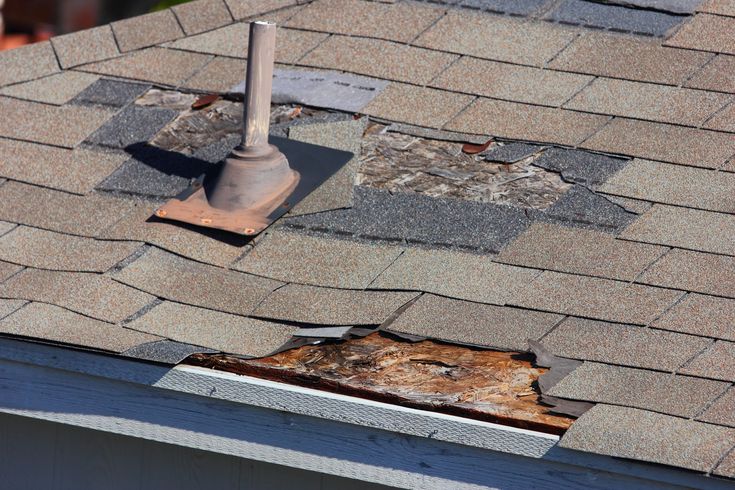
A leaking roof can quickly turn a comfortable home into a stressful environment. Heavy rains, storms, snow, or years of wear and tear can all contribute to water damage that shouldn’t be ignored. Even small leaks, if left untreated, can compromise your roof’s structure, damage your interior, and lead to expensive repairs.
While some minor issues can be addressed with DIY solutions, major roof repairs require professional expertise. In this guide, we’ll explore practical and effective roof repair solutions to protect your home from leaks and water damage. These strategies include preventive measures, repair techniques, and maintenance tips that can help extend the life of your roof and keep your home dry year-round.
How to Handle Roof Leaks and Water Damage
Roof leaks are stressful, but with a systematic approach, they can be identified and repaired effectively. Knowing how to handle leaks quickly is essential to prevent further damage and costly repairs.
Step 1: Identify the Source of the Leak
- Inspect the attic for water stains, damp insulation, or mold growth.
- Examine ceilings and walls for discoloration, peeling paint, or bubbling wallpaper.
- Check the roof surface for missing or damaged shingles, cracks, or compromised flashing.
Step 2: Take Safety Precautions
- Avoid climbing onto the roof during rain, snow, or strong winds.
- Wear non-slip shoes, gloves, and a safety harness if accessing the roof.
- Use a sturdy ladder and have someone assist you from the ground.
Step 3: Contain the Damage Temporarily
- Place buckets or containers under leaks to catch dripping water.
- Use a heavy-duty tarp to cover significant damaged areas. Secure the tarp with boards or nails to prevent further water intrusion.
Step 4: Evaluate the Severity
- Minor leaks caused by missing shingles or small cracks can often be repaired with sealant or shingle replacement.
- Larger leaks, structural damage, or leaks near flashing and chimneys require professional intervention.
Step 5: Repair or Replace
- Apply roof sealant or roofing cement to small cracks or punctures.
- Replace missing or damaged shingles to restore the roof’s waterproof barrier.
- Repair or replace damaged flashing to protect vulnerable areas.
- For extensive water damage, underlayment or structural repairs may be necessary.
Step 6: Prevent Future Damage
- Schedule routine inspections twice a year.
- Maintain gutters and downspouts to ensure proper drainage.
- Ensure proper roof ventilation to reduce moisture buildup.
Following these steps ensures homeowners can manage roof leaks safely, reduce water damage risks, and prevent costly repairs.
1. Shingle Replacement
Shingles are your roof’s first line of defense against water. Damaged, curled, or missing shingles allow water to seep into the roof deck, causing leaks, rot, and structural problems. Replacing shingles is one of the simplest yet most effective ways to prevent water damage.
Steps for Shingle Replacement:
- Inspect your roof for damaged or missing shingles.
- Lift surrounding shingles and remove nails holding the damaged shingle in place.
- Slide in the new shingle and secure it with roofing nails.
- Apply roofing cement along edges to ensure a watertight seal.
Regular inspection and timely replacement prevent larger roofing issues later.
2. Roof Sealant and Roofing Cement
Small cracks, holes, or nail punctures allow water to penetrate your roof. Applying roof sealant or roofing cement forms a durable, waterproof barrier over vulnerable areas.
Tips for Applying Sealant:
- Clean the damaged area of debris and dirt.
- Apply sealant evenly with a putty knife or caulking gun.
- Ensure complete coverage to prevent water pooling or seepage.
Sealants are cost-effective, quick to apply, and ideal for minor leaks around nails or vents.
3. Flashing Repair or Replacement
Flashing protects vulnerable areas around chimneys, vents, skylights, and other penetrations. Damaged or loose flashing can cause persistent leaks.
Flashing Maintenance Tips:
- Inspect flashing for cracks, corrosion, or lifting.
- Seal minor gaps with roofing cement.
- Replace severely damaged flashing with new pieces.
Properly maintained flashing directs water safely off the roof and prevents leaks from spreading.
4. Underlayment Repair
The underlayment beneath shingles adds an extra waterproof barrier. When it’s damaged, water can seep into the roof structure, causing rot and leaks.
Underlayment Maintenance:
- Inspect during shingle replacement or roof repairs.
- Replace torn or worn sections with synthetic or felt underlayment.
- Ensure seams are properly overlapped and sealed.
A well-maintained underlayment improves durability and prevents water damage.
5. Gutter Cleaning and Repair
Clogged or damaged gutters force water under the roof edge, causing leaks. Regular gutter maintenance is critical.
Gutter Maintenance Steps:
- Remove debris like leaves and twigs.
- Repair or replace bent, cracked, or rusted sections.
- Ensure proper slope for drainage away from the roof and foundation.
Clean, functional gutters protect the roof, walls, and foundation from water damage.
6. Roof Coating for Flat Roofs
Flat or low-slope roofs often collect standing water. A reflective, waterproof roof coating seals cracks, insulates the roof, and reduces energy costs. Coatings extend roof lifespan and provide excellent protection against water damage.
7. Valley Replacement
Roof valleys, where two slopes meet, drain large volumes of water. Damaged valley flashing can cause persistent leaks. Replacing or reinforcing valley flashing ensures water flows safely off the roof and prevents leaks in other areas.
8. Structural Repairs
Severe water damage can affect roof decking, insulation, and framing. Professional structural repairs replace rotten or weakened materials, restoring strength and preventing future leaks.
9. Improving Roof Ventilation
Poor ventilation traps moisture, causing shingle rot, mold growth, and condensation. Installing vents or improving airflow keeps roofs dry, extends the lifespan of materials, and creates a healthier home environment.
10. Regular Roof Maintenance Checks
Routine inspections are essential for early detection of small issues. Inspect shingles, flashing, gutters, and underlayment at least twice a year—ideally in spring and fall. Regular maintenance reduces repair costs and extends roof life.
Conclusion
Roof leaks and water damage can be stressful, but with proper care, they are manageable. From shingle replacement and sealants to professional structural repairs, each solution addresses specific problems and protects your home. Regular inspections and timely maintenance prevent minor issues from becoming costly repairs, keeping your roof durable, leak-free, and safe year-round.
FAQs
Q: Can I fix a roof leak myself?
A: Small leaks can be repaired with shingle replacement or roof sealant, but large leaks and structural damage require a professional.
Q: How often should I inspect my roof?
A: Inspect your roof at least twice a year, in spring and fall.
Q: When should I hire a professional roofer?
A: Hire a professional for large leaks, structural damage, or unsafe roof access.
Q: Can gutter maintenance prevent roof leaks?
A: Yes, clean and functional gutters prevent water from backing up under the roof edge.