
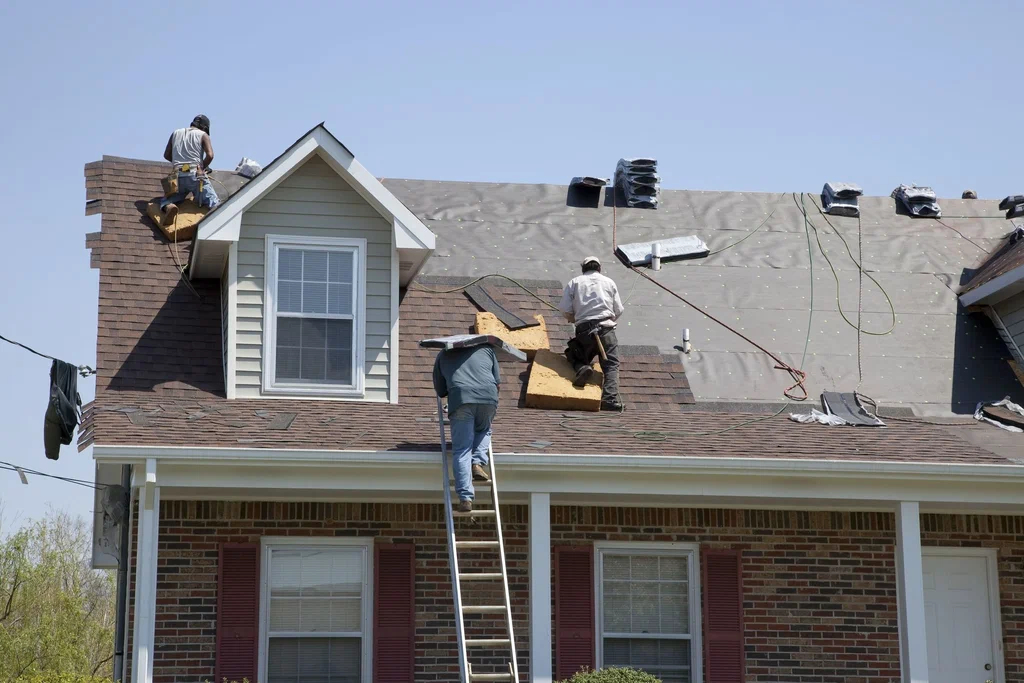
When it comes to roofing, one size does not fit all. A roof is not just a protective cover for your property; it’s an essential investment in safety, energy efficiency, and longevity. Whether you are planning a residential roof installation for your home or a commercial roof installation for a business, understanding the differences in materials, design, installation, and maintenance is crucial. Knowing what to expect can save time, money, and unnecessary headaches down the line.
In this guide, we’ll explore the key differences between residential and commercial roof installation, provide insights into the process, and explain how to choose the right approach for your property.
Why Residential and Commercial Roofs Are Different
At first glance, a roof might just seem like a layer of protection over your building. However, residential and commercial roofs serve very different purposes and face distinct challenges.
Residential roofs are typically designed with aesthetics, insulation, and weather protection in mind. They are usually sloped or pitched to allow rain, snow, and debris to slide off efficiently. In contrast, commercial roofs often prioritize functionality. They are typically flat or low-sloped to accommodate mechanical equipment, solar panels, and larger surface areas. These structural differences affect the materials used, installation process, cost, and maintenance.
Understanding these distinctions ensures that property owners select the right materials, hire qualified contractors, and receive a durable, long-lasting roof tailored to their needs.
Structural Differences Between Residential and Commercial Roofs
Residential Roof Design
Most residential roofs feature slopes, angles, and peaks that not only add character to the home but also allow for natural water drainage. These roofs often include additional elements such as dormers, chimneys, skylights, and overhangs. The complexity of the design varies, but the typical residential roof is smaller in scale compared to commercial buildings, making installation and inspection more straightforward.
Residential roofs are built to withstand weather conditions like heavy rain, snow, and wind while maintaining energy efficiency and comfort inside the home. Contractors performing residential roof installation must pay attention to both aesthetics and functionality, ensuring that the roof complements the home’s design and protects the property effectively.
Commercial Roof Design
Commercial roofs are designed for function rather than aesthetics. Most commercial buildings feature flat or low-slope roofs, which provide space for essential equipment such as HVAC units, water tanks, and solar panels. The large surface area requires careful planning for water drainage to prevent pooling, which can lead to leaks or structural damage.
The scale and flat design of commercial roofs demand specialized techniques and equipment. Installation crews often work in teams with heavy machinery to handle materials, manage safety, and ensure precise installation across large expanses. These differences make commercial roof installation more complex, time-consuming, and specialized compared to residential projects.
Roofing Materials for Residential and Commercial Projects
Common Residential Roofing Materials
Residential roofs often focus on combining affordability, durability, and visual appeal. The most common materials include:
- Asphalt Shingles: Popular for their affordability, ease of installation, and durability.
- Metal Roofing: Long-lasting, energy-efficient, and resistant to extreme weather.
- Tile Roofing: Offers premium aesthetics and excellent durability, often used in warmer climates.
- Slate and Synthetic Materials: High-end options providing longevity and unique appearances.
The choice of materials depends on the homeowner’s budget, desired look, and the local climate. Contractors often provide guidance to help homeowners select materials that balance cost, functionality, and style.
Common Commercial Roofing Materials
Commercial roofs require materials designed for large, flat surfaces and heavy use. The most frequently used options include:
- TPO (Thermoplastic Olefin): Durable, reflective, and energy-efficient.
- EPDM (Ethylene Propylene Diene Monomer): Synthetic rubber roofing that resists UV rays and weathering.
- PVC (Polyvinyl Chloride): Resistant to fire, chemicals, and extreme weather.
- Modified Bitumen: Asphalt-based, flexible, and cost-effective for flat roofs.
Commercial roofing materials are chosen for longevity, maintenance ease, and resistance to environmental stresses rather than appearance.
Differences in Installation Process
Residential Roof Installation
Residential roofing typically involves smaller crews and shorter timelines. The process usually begins with removing old shingles or tiles, inspecting and repairing the roof deck, and installing underlayment and flashing to prevent water infiltration. Once the base is prepared, new roofing materials are installed, carefully aligned, and secured. After installation, a thorough inspection ensures quality, and the site is cleaned to leave the home safe and tidy.
Because residential roofs often include slopes and multiple angles, the installation requires attention to detail to maintain both functionality and aesthetic appeal.
Commercial Roof Installation
Commercial roof installation is more complex due to the larger size and flat design of the building. Installation often requires specialized equipment, multiple crew members, and extensive planning. The process involves removing old roofing materials, preparing the roof deck, and installing membranes or other commercial-grade roofing systems. Special attention is given to drainage, seals, and rooftop equipment integration.
Commercial installations may take several weeks to complete, depending on the size of the building and the roofing system chosen. Safety is a significant concern, as crews work at heights with heavy materials and large surfaces.
Cost Considerations
The cost of roof installation differs significantly between residential and commercial properties. Residential roof installation generally costs less due to the smaller area and simpler materials. On average, homeowners might spend between $5,000 and $15,000 for a full roof replacement, though prices vary depending on material, labor, and location.
Commercial roof installation is typically more expensive because of larger surface areas, specialized materials, and labor-intensive processes. Costs vary widely, and commercial projects often include ongoing maintenance contracts to ensure the roof remains functional and durable over time.
Maintenance Differences
Residential roofs require routine inspections once or twice a year to check for damaged shingles, clean gutters, and address minor repairs. Proper maintenance extends the lifespan of the roof and prevents expensive damage. Homeowners are encouraged to monitor their roofs after storms or extreme weather events.
Commercial roofs require more frequent inspections due to their size, equipment, and exposure. Preventative maintenance is critical to ensure membranes, seals, and drainage systems remain intact. Many businesses hire professional contractors to manage ongoing maintenance, protecting their investment and avoiding costly repairs.
Safety Considerations
Safety is a key aspect of roof installation. Residential roof projects require fall protection, careful use of ladders, and precautionary measures to protect landscaping and property. Smaller crews make it easier to manage safety on residential roofs.
Commercial roofing involves larger crews and more complex safety protocols. Workers must navigate expansive flat roofs, heavy equipment, and rooftop machinery. Contractors implement harnesses, guardrails, and specialized training to prevent accidents.
Choosing the Right Roofing Contractor
Whether you’re investing in a residential or commercial roof, hiring a licensed and experienced roofing contractor is critical. A professional ensures proper installation, adherence to local building codes, and access to high-quality materials. Contractors also provide warranties and guidance on maintenance to protect your investment.
When selecting a contractor, consider experience with your roof type, portfolio of past projects, safety practices, and reviews from previous clients.
Conclusion
While residential and commercial roof installations share the goal of protecting the property, the approaches differ significantly. Residential roofs focus on aesthetics, smaller scale, and energy efficiency, while commercial roofs prioritize durability, functionality, and integration with equipment. Understanding these differences allows property owners to make informed decisions, choose the right materials, and hire qualified contractors.
Investing in the correct roof installation process ensures long-term protection, energy savings, and peace of mind. Whether you are upgrading your home or managing a commercial building, a professional contractor will guide you through the process and ensure your roof performs optimally for years to come.
FAQs for Roof Installation Blog
Q1: What is the main difference between residential and commercial roof installation?
A1: Residential roofs are typically sloped, smaller, and focus on aesthetics and home protection. Commercial roofs are often flat, larger, and designed to support equipment while prioritizing functionality and durability.
Q2: Which roofing materials are best for residential roofs?
A2: Common residential materials include asphalt shingles, metal roofing, tiles, slate, and synthetic materials. The choice depends on durability, cost, climate, and design preference.
Q3: Which roofing materials are best for commercial roofs?
A3: Commercial roofs commonly use TPO, EPDM, PVC, and modified bitumen. These materials are durable, energy-efficient, and suitable for flat or low-sloped roof designs.
Q4: How long does it take to install a residential vs commercial roof?
A4: Residential roof installation usually takes a few days depending on size and complexity. Commercial roof installation can take several weeks due to larger areas, specialized materials, and equipment requirements.
Q5: How much does residential and commercial roof installation cost?
A5: Residential roof replacement typically ranges from $5,000 to $15,000 depending on materials and size. Commercial roofing costs vary widely based on building size, material type, and labor.
Q6: Do residential and commercial roofs require different maintenance?
A6: Yes. Residential roofs usually need annual inspections and minor repairs, while commercial roofs require more frequent inspections, membrane maintenance, and preventive care due to larger size and rooftop equipment.
Q7: Why is it important to hire a professional roofing contractor?
A7: A licensed and experienced contractor ensures proper installation, compliance with building codes, high-quality materials, and long-term durability, reducing the risk of leaks and costly repairs.